Pet-Safe Rodent Control in Granite Bay: Protecting Dogs & Cats
Granite Bay · Placer County
Pet-Safe Rodent Control — Because Your Dogs and Cats Live There Too
Granite Bay households love their pets — dogs in big backyards, cats patrolling the garage, all of it backing onto oak woodland where rodents are a fact of life. So when rodents move in, the first question pet owners ask us isn’t about price. It’s this: “Will the treatment hurt my animals?”
It’s the right question. Conventional rodent control has a real pet-safety problem, and understanding it is how you choose a method — and a company — that protects your home without putting your dogs or cats at risk.
How Pets Actually Get Exposed
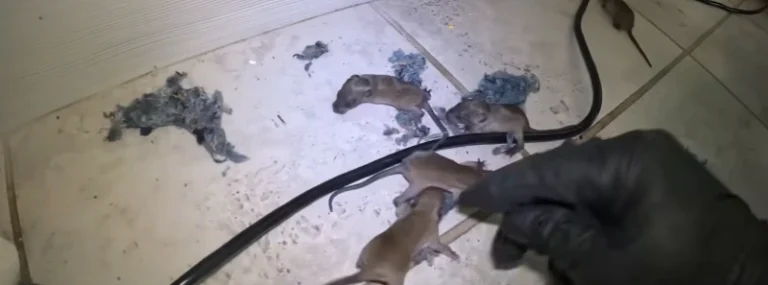
Pet exposure to rodenticides happens two ways. The first is direct: a curious dog finds and chews a bait block, or a cat bats at a loose pellet. The second is secondary poisoning: a pet catches and eats a rodent that has ingested poison but hasn’t died yet. Second-generation anticoagulants (SGARs) are the main concern here — they persist in a poisoned rodent’s tissues, so a dog or cat that eats one can receive a dangerous dose days after the rodent fed.
California has restricted SGARs precisely because of this chain of harm to pets and wildlife. We cover the regulation in detail in our California SGAR rodenticide guide.
The risk is highest with do-it-yourself baiting — loose bait in garages, under sinks, or along fence lines where pets roam. Professional placement changes the equation, but only if the company follows strict protocols.
What “Pet-Safe” Should Actually Mean
The phrase gets thrown around a lot. Here’s what it should mean in practice:
Exclusion first. The safest rodent control uses no poison at all. Permanent structural exclusion — sealing every entry point with steel — removes the infestation’s cause without introducing any chemical into your home or yard. No bait, no exposure pathway, nothing for a pet to find.
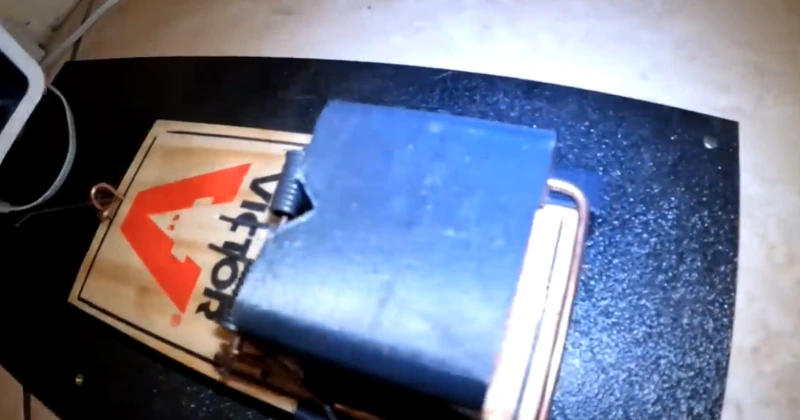
No poison bait inside the home. We do not use poison bait inside structures, period. Interior populations are handled with mechanical snap traps in tamper-resistant placements — positioned where pets and children can’t reach them, and collected and disposed of by our technicians so you never handle a rodent. (See: what to do when you find a dead rat — the short answer is, let us handle it.)
Locked, labeled exterior stations only when necessary. For ground-dwelling species where exterior baiting is warranted, stations must be tamper-resistant, anchored, locked, and placed per label and Placer County regulations — never loose bait, never where pets travel.
IPM discipline. Exclusion first, mechanical methods second, chemicals only when necessary and always label-compliant — especially near the Folsom Lake watershed.
If a company’s “pet-safe” plan is just poison in a plastic box in your backyard, that’s not a pet-safe plan. It’s a plastic box.
Questions to Ask Any Company Before They Treat
- Do you use poison bait inside the home? The answer should be no.
- Exactly where will exterior stations go? Vague answers are a red flag — placement should be specific and away from pet areas.
- What active ingredient is in the bait? You have a right to know what’s on your property.
- How are traps placed so my pets can’t reach them? Listen for “tamper-resistant” and specifics, not reassurances.
- What happens to dead rodents? They should be collected and disposed of by the technician — not left where a dog can find them.
If Your Pet Eats a Poisoned Rodent: Act Fast
Despite every precaution, accidents happen — especially if a neighbor is baiting. Signs of rodenticide exposure in pets can take days to appear and include lethargy, pale gums, coughing, or unexplained bleeding or bruising. If you suspect exposure, call your veterinarian immediately — do not wait for symptoms. Vitamin K1 is the standard veterinary antidote for anticoagulant poisoning, and early treatment makes all the difference.
Keep your vet’s emergency number saved in your phone before you ever need it.
Common Questions About Pet-Safe Rodent Control
Is exclusion safe for my pets?
Completely. Exclusion is physical — steel mesh, hardware cloth, and sealants closing gaps in your structure. There is nothing for a pet to ingest, touch, or be harmed by, and it permanently solves the problem rather than managing it with chemicals.
Are snap traps dangerous to dogs and cats?
Only if a pet can reach them. Our traps go in tamper-resistant placements — inside attic and crawl spaces, behind appliances, in locked enclosures — and every trap is collected by our technicians. A pet should never encounter one.
What does California’s SGAR restriction mean for my pets?
It means the most dangerous second-generation anticoagulants face strict limits on where and how they can be used, largely because of documented harm to pets and wildlife. Our SGAR guide explains what changed and what it means for your property.
My cat hunts outdoors — is it at risk from a neighbor’s bait?
This is the secondary poisoning scenario, and it’s real. Cats that hunt can catch weakened, poisoned rodents. If neighbors are baiting, keep cats indoors during and after treatment periods, and consider talking to your neighbors about exclusion-based alternatives.
Do I need to move my pets out during service?
No. Exclusion and trapping work doesn’t require pets to leave. For any exterior station service, we’ll tell you exactly where stations are placed so you can keep pets clear of those specific spots.
Related Resources
- California SGAR Rodenticide Restrictions — what the law now requires
- What to Do When You Find a Dead Rat in Your Wall or Attic — safe handling steps
- Granite Bay Rodent Seasons — when pressure peaks near your yard
- Rat Exclusion Services — the poison-free permanent fix
Protect Your Home Without Risking Your Pets
Exclusion-first rodent control means your dogs and cats are never part of the equation. Same-week inspections available throughout Placer County.
Rodent Control Granite Bay
8780 Auburn Folsom Rd, Granite Bay, CA 95746
(279) 227-5858
Mon–Sat: 8:00 AM – 6:00 PM