Rodent Poison and Pets: What Granite Bay Dog and Cat Owners Should Know Before Anyone Puts Out Bait
If you live in Granite Bay, this worry is not theoretical. Many homes here have dogs, cats, or both — and many of the same properties deal with roof rats drawn in from landscaped yards, greenbelts, and neighbouring lots. Where there are rats, somebody eventually reaches for poison. The question is whether the poison plan accounts for the pets that share the yard, the garage, and the house.
This guide covers how pets get into rodent poison, the secondary-poisoning risk most owners have never heard of, what to do if it happens, and the questions to ask any specialist before they treat your property.
For the full local picture of why Granite Bay homes face this pressure, see our Granite Bay conditions hub: https://rodentcontrolgranitebayca.com/granite-bay-conditions/
How Pets Actually Get Into Rodent Poison
Most owners assume a bait station keeps poison away from pets. In practice, there are several routes in. Dogs chew through “tamper-resistant” stations — those black plastic boxes are resistant, not proof, and a knocked-over station spills its contents where any dog can find them. Loose bait sits in garages and sheds, tossed into corners or along walls where a curious dog snuffles around. Rats move the bait, carrying chunks out of stations and stashing them elsewhere. A neighbour’s bait crosses property lines with the dogs and cats that cross lots. And cats catch poisoned rodents — less likely to eat bait directly, but very likely to catch the slow, disoriented rat that already ate it.
Primary vs Secondary Poisoning — Both Matter
Primary poisoning is the straightforward one: the pet eats the bait itself. This is mostly a dog problem, because dogs eat things they find.
Secondary poisoning is the quieter one: the pet eats, mouths, or even just tears open a rodent that has already ingested poison. This is mostly a cat problem — a well-fed housecat still hunts, and a poisoned rat is slow, wobbly, and easy to catch — but dogs will also pick up and mouth dead or dying rats they find in the yard.
Here is the part that surprises people: a pet can be harmed by secondary poisoning without eating much of the rodent at all. The poison concentrates in the rat’s liver and gut, so a cat that opens its catch — or a dog that chews on a dead rat found in the yard — can take in a meaningful dose. Effects vary by bait type, which is why knowing exactly which product was used matters so much if something goes wrong.
Why “He Looks Fine” Means Nothing
One of the most common mistakes in those panicked forum threads is waiting to see whether symptoms appear. With many common rodent baits, a pet can look completely normal for days while the poison is doing its work internally. By the time symptoms show — lethargy, pale gums, laboured breathing, bruising, or seizures, depending on the bait type — the situation is far more serious and far harder to treat.
Do not wait for symptoms. If you know or suspect your pet got into rodent bait — or into a rodent that may have eaten bait — treat it as urgent from the first minute.
If Your Pet May Have Gotten Into Bait — Act Now
This is general information, not veterinary advice. For any suspected poisoning, your vet or emergency animal hospital is the authority — call them immediately, day or night.
- Call your vet or an emergency animal hospital right away. Do not wait for symptoms, and do not try home remedies first. Tell them what happened, your pet’s weight, and when it happened.
- Bring the bait packaging — or photograph the label. The brand name and the active ingredient decide the treatment. “Rat poison” is not enough information; the vet needs to know which type it is.
- Note the details. When did it happen? How much bait is missing? Did the pet eat the block, or a rodent? Write it down while it is fresh — you will be asked.
- Do not induce vomiting unless the vet tells you to. Some poisons and situations make vomiting dangerous. Let the professional direct that call.
- If it was a poisoned rodent, mention that too. Bring the rodent if you safely can (gloves, sealed bag). Secondary poisoning is treated based on the same bait information, so anything you know about what the neighbour or the previous owner put out helps.
Keep your regular vet’s number and the nearest emergency animal hospital number somewhere obvious — the fridge, your phone contacts — before you ever need them at midnight.
What “Tamper-Resistant” Bait Stations Really Mean
Those locked black boxes are better than loose bait, but owners should understand their limits. They are designed to resist children and casual contact — not a powerful dog jaw, and not a station that has been knocked loose and cracked. They must be anchored and placed where pets cannot reach them, not tossed loose behind the garage. And a station only protects against the bait inside it, not against the poisoned rat that walks out of it.
If anyone — a specialist, a neighbour, a previous homeowner — has placed bait on or near your property, ask exactly where the stations are, what product is in them, and whether the placement assumed pets in the area. Vague answers are a red flag.
Pet-Safe Options That Actually Work
The good news: the most reliable rodent control methods are also the most pet-safe, because they do not involve poison at all.
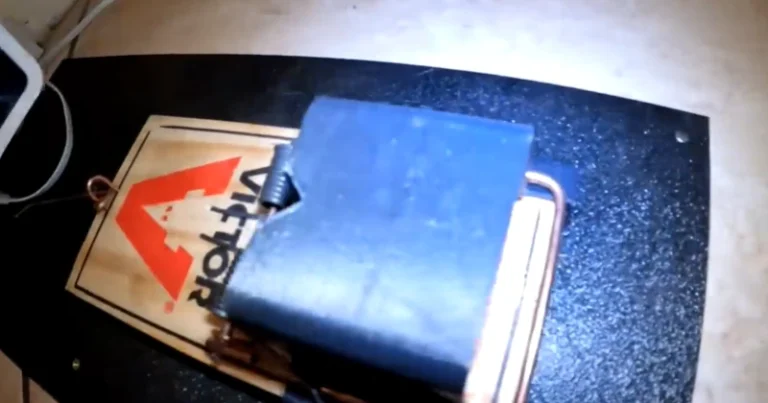
- Snap traps in locked, pet-proof enclosures. The trap does the work inside a box the pet cannot open. Placed along known rat travel routes, these are effective and the outcome is verifiable — you know exactly what was caught and where.
- Exclusion first. Sealing entry points removes the reason for bait indoors entirely. A rat that cannot get in does not need to be poisoned inside your walls — and as our dead-rat guide explains, a poisoned rat dying inside a wall void is a problem of its own: https://rodentcontrolgranitebayca.com/dead-rat-smell-wall-attic/
- Tighten sanitation. Pet food stored in sealed containers, no food or water left out overnight, fallen fruit picked up promptly, garbage in sealed bins. Hungry rats are bold rats; well-fed neighbourhoods support fewer of them. Our prevention guide covers the daily habits: https://rodentcontrolgranitebayca.com/rodent-prevention-granite-bay/
- Never scatter loose bait yourself. If a previous owner or a handyman left pellets or blocks around the property, collect them with gloves and dispose of them according to the label — do not just leave them “in case.”
One caution from our attic-noise guide applies here too: never put out poison for an animal you have not identified. Poison does not discriminate, and it puts pets, owls, hawks, and neighbourhood cats at risk without solving the entry problem: https://rodentcontrolgranitebayca.com/attic-noise-rat-squirrel-or-raccoon/
Questions to Ask Any Specialist Before They Treat
Any reputable specialist should welcome these questions. Evasive or vague answers tell you what you need to know. The specialists we match you with should answer every one of these directly — if someone will not say what they are putting down or where, get a second quote.
- Do you use rodenticide at all — and if so, where exactly? Indoors, outdoors, attic, crawl space? Get specific locations.
- What product and active ingredient? Write it down. This is the information a vet would need in an emergency.
- How is it contained? Locked, anchored stations — or loose bait? What stops my dog from reaching it, and what stops a rat from carrying it out?
- What is your plan for homes with pets? There should be one, stated plainly, before any work starts.
- Will the treatment plan be in writing? Verbal reassurance fades; a written plan with products and placements does not.
- What is the non-poison option, and what does it cost? Exclusion plus trapping should always be on the table.
The correct sequence for lasting results — identify, remove, then seal — is what proper exclusion work looks like: https://rodentcontrolgranitebayca.com/how-rodent-exclusion-works/
What Owners Can Do vs. What Needs a Specialist
Owner territory: supervise dogs in the yard and garage, especially after a neighbour mentions bait; store all pet food in sealed containers and never leave it out overnight; pick up fallen fruit; keep the bait packaging or label information if anyone has placed product on your property; save your emergency vet’s number; and never place loose poison yourself — it endangers your pets and creates the dead-in-the-wall problem without fixing how rats get in.
Specialist territory: a full inspection to find entry points and travel routes, a written treatment plan that accounts for your pets by name and species, pet-safe trapping in secured enclosures, and exclusion — sealing every entry point with gnaw-resistant materials once the population is confirmed gone — so the cycle ends instead of repeating.
The Bottom Line
Rodent poison and pets are a bad combination, and the risk is wider than most owners realise: it is not just the bait block in the garage, it is the neighbour’s station, the rat that carried bait into your yard, and the slow-moving poisoned rat your cat proudly brings home. Do not use poison where pets can reach it, do not wait for symptoms if exposure happens, and make any specialist state their pet-safety plan in writing before they treat.
When you are ready for a professional assessment, get a quote and we will match you with a specialist who understands Granite Bay homes — and Granite Bay pets: https://rodentcontrolgranitebayca.com/contact/
Or call (279) 227-5858 to request a quote.