Rats Chewed Your Car Wires? What to Do Before the Next Repair Bill in Granite Bay
You turn the key and nothing happens — or the check-engine light comes on for no reason. At the shop, the mechanic pops the hood and finds shredded insulation, nesting material beside the battery, and a wiring harness with tooth marks in it. It is a story Granite Bay homeowners tell on car and homeowner forums again and again, and it is almost always the same culprit: a rat or mouse that moved into the engine bay and started chewing.
The repair bill is the painful part. A few chewed wires can be spliced, but a damaged engine wiring harness can cost thousands of dollars to replace, according to consumer guides — and several major car makers, including Ford, General Motors, Honda, Subaru and Toyota, have issued technical service bulletins on fixing chewed wiring, which tells you how common this has become. The good news is that the car is usually the second problem. The first problem is the rats living around your home, and that one has a fix.
For the full local picture of why Granite Bay homes face this pressure, see our Granite Bay conditions hub: https://rodentcontrolgranitebayca.com/granite-bay-conditions/
Why Rats Pick Your Car
A parked car is, to a rat, a ready-made shelter. The engine bay stays warm for hours after you switch off, it is dry, it is dark, and it is full of things to chew. Rats’ teeth never stop growing, so gnawing is how they keep their incisors worn down. Wiring insulation, hoses, and the soft padding around the engine are all fair game. Some car makers also use plant-based materials in wiring insulation, which repair guides say adds to the attraction — but the truth is simpler: rats chew because they are rats, and your car is warm.
Granite Bay makes it worse. Large lots back onto oak woodland, many homes have fruit trees, and cars often sit in driveways rather than sealed garages. A car that sits in the same spot for days is the easiest target of all.
Signs Rats Have Been Under Your Hood
Pop the hood once a week, especially if the car has been sitting, and look for:
- Droppings on the engine cover or in the corners of the bay. Small, dark pellets, often in clusters near wiring or the battery tray.
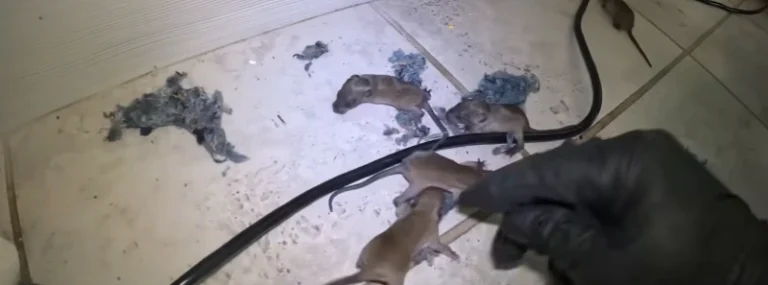
- Nesting material. Shredded insulation, leaves, twigs, or fabric tucked into corners, behind the battery, or around the air intake.
- Gnaw marks on wires and hoses. Bare copper showing through insulation, or hoses with small tooth marks along one side.
- A strange smell when you start the car. Urine or nesting material heating up on a warm engine is a smell you will not mistake twice — and if it is a dead rat, our dead-rat guide covers what to do: https://rodentcontrolgranitebayca.com/dead-rat-smell-wall-attic/
- Warning lights, rough running, or a car that will not start. Chewed sensor wires and damaged harnesses show up as electrical faults long before you see the damage.
If you find droppings or nesting material, clean it up wearing gloves and a mask, and disinfect the area — droppings can carry disease even after they look harmless.
What to Do the Moment You Find Damage
Do not just tape the wire and drive on. Follow this order:
- Get the wiring checked by a mechanic first. A chewed wire can short, and a short can cause a fire. A mechanic can tell you whether a splice is safe or the harness needs replacing — and document the damage with photos.
- Ask your insurer whether your comprehensive cover includes rodent damage. Some comprehensive auto policies do cover it, and the claim starts with the mechanic’s report.
- Look for where the rat came from. The car is rarely the only place they are active. Check the garage and the house itself — rats in the car often mean rats in the attic too. Our guide to identifying attic noise explains how to tell a rat from a squirrel or raccoon before you seal anything: https://rodentcontrolgranitebayca.com/attic-noise-rat-squirrel-or-raccoon/
- Do not put poison in or under the car. Bait in the engine bay or garage puts pets and wildlife at risk, and a poisoned rat that dies inside the car or a wall leaves you with the smell and the clean-up. Our pet-safety guide explains why this matters: https://rodentcontrolgranitebayca.com/rodent-poison-pet-safety/
What Actually Keeps Them Out of the Engine Bay
Prevention is unglamorous, and it works better than any gadget. The routine that holds up:
- Drive the car regularly. A car that moves every day or two is a bad nest. If one must sit, move it every few days and pop the hood when you do.
- Leave the hood up at night when the car is parked outside or in an open carport. It sounds odd, and it is the single most recommended step in owner forums: an open hood takes away the dark, enclosed shelter rats are looking for.
- Take the food out. Nothing edible in the car or near where it parks. Birdseed, grass seed, and pet food belong in sealed containers — not in bags by the garage door. Fallen fruit near the driveway should be picked up daily. Our prevention guide covers these daily habits in full: https://rodentcontrolgranitebayca.com/rodent-prevention-granite-bay/
- Seal the garage. A mouse can squeeze through a gap the size of a dime, a rat through half an inch. Check the door seal, the corners where walls meet the floor, and any pipe or vent openings. Steel wool packed into a gap, then caulked over, holds. Expanding foam alone does not — rats chew straight through it.
- Keep the parking area clear. Move woodpiles, stacked pots, and dense ground cover away from the driveway and garage walls. Rats nest in clutter, then walk a few feet to your car.
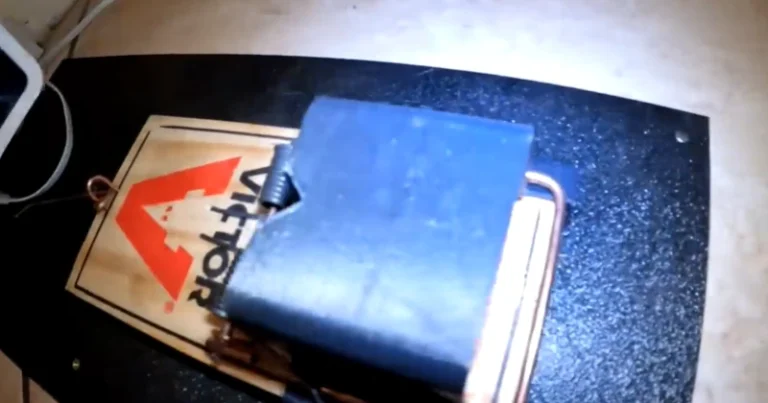
- Set snap traps where rats travel. Traps in locked, tamper-resistant enclosures at the base of the tyres or along the garage wall intercept rats on their way to the car. The result is verifiable — you know exactly what was caught and where.
- Consider rodent-deterrent tape on repaired wiring. Ask your mechanic about it when the damage is fixed. It protects the wires it covers, which is useful — but it is not a complete prevention plan on its own.
What Does Not Work on Its Own
Homeowner forums are full of fixes that sound good and fail in practice:
- Dryer sheets and mothballs. Rats may avoid a strong smell for a day or two, then nest right next to it.
- Peppermint oil or pouches. A scent is not a barrier, and it fades fast in a warm engine bay.
- Ultrasonic repellers. Some owners report they help, many report they do nothing at all, and no single device protects a whole garage or driveway. Treat one as a small extra layer, not the plan.
- Leaving the car lights on. A light under the car can discourage a rat, but it does nothing about the rats nesting in the woodpile ten feet away.
None of these are useless as a supplement. All of them fail as a substitute for removing food, sealing gaps, and trapping the rats that are already there.
The Granite Bay Angle
Roof rats travel along fence tops, branches, and rooflines across whole neighbourhoods, and in Granite Bay the pressure comes from every direction — oak woodland, the Folsom Lake shoreline, orchards and gardens, and neighbouring properties. If the rats are in your car, they are almost certainly using your yard and your neighbours’ yards too. Our neighbours post explains what you can control on your side of the fence when the pressure is coming over it: https://rodentcontrolgranitebayca.com/neighbours-rats-coming-into-your-yard/
When the nights turn cool, rats look for warm shelter, and a car that has just been driven is the warmest thing in the driveway. That is why the first cold snap of the year is when most owners discover the damage.
What Owners Can Do vs. What Needs a Specialist
Owner territory: pop the hood and check for droppings weekly, especially for cars that sit; drive every car regularly; remove food and clutter from the parking area; pick up fallen fruit daily; seal garage gaps with steel wool and caulk; run enclosed snap traps along garage walls; and ask your mechanic about deterrent tape when wiring is repaired.
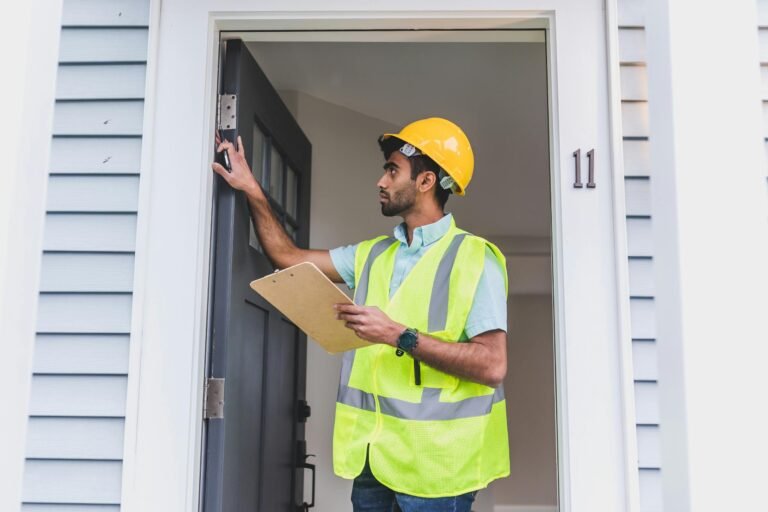
Specialist territory: a full inspection to find where rats are entering your home and garage, and where they are nesting on the property; a written plan that deals with the population rather than one car at a time; and exclusion — sealing every entry point with gnaw-resistant materials once the rats are confirmed gone — so the pressure drops across the whole property, not just under one hood. The correct sequence — identify, remove, then seal — is what proper exclusion work looks like: https://rodentcontrolgranitebayca.com/how-rodent-exclusion-works/
The Bottom Line
Rats chew car wires because the engine bay is warm, dry, and full of things to gnaw — and in Granite Bay, the rats are already in the yard. A chewed harness can cost thousands to replace, and no spray or gadget on its own will stop it. Drive the car, pop the hood, take the food away, seal the garage, and trap the rats that are already travelling through. When the damage keeps coming back to the same parking spot, the problem is not the car — it is the property.
When you are ready for a professional assessment of your home and garage — and a plan that deals with the rats, not just the wiring — get a quote and we will match you with a specialist who understands Granite Bay homes: https://rodentcontrolgranitebayca.com/contact/
Or call (279) 227-5858 to request a quote.